
Korean food chain to close last outlet in Singapore after 18 years
 Korean restaurant chain Seoul Yummy will close its last remaining outlet in Singapore on Oct. 22, ending 18 years of operations in the city-state.
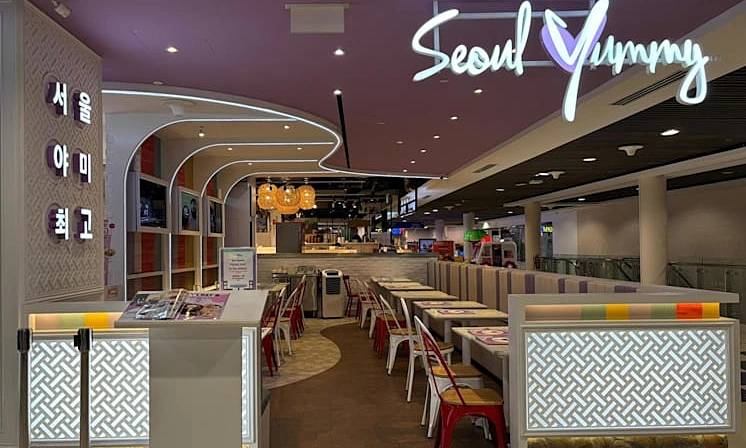
Korean restaurant chain Seoul Yummy will close its last remaining outlet in Singapore on Oct. 22, ending 18 years of operations in the city-state.
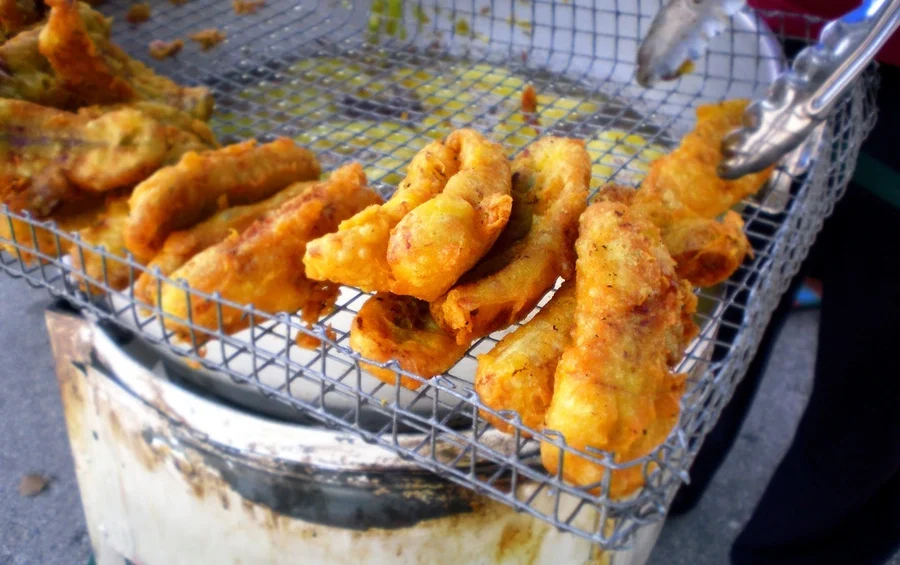
 Five dishes from Indonesia, Thailand, and the Philippines feature in the latest list of the “100 Best Desserts in the World,” published by international food website TasteAtlas.
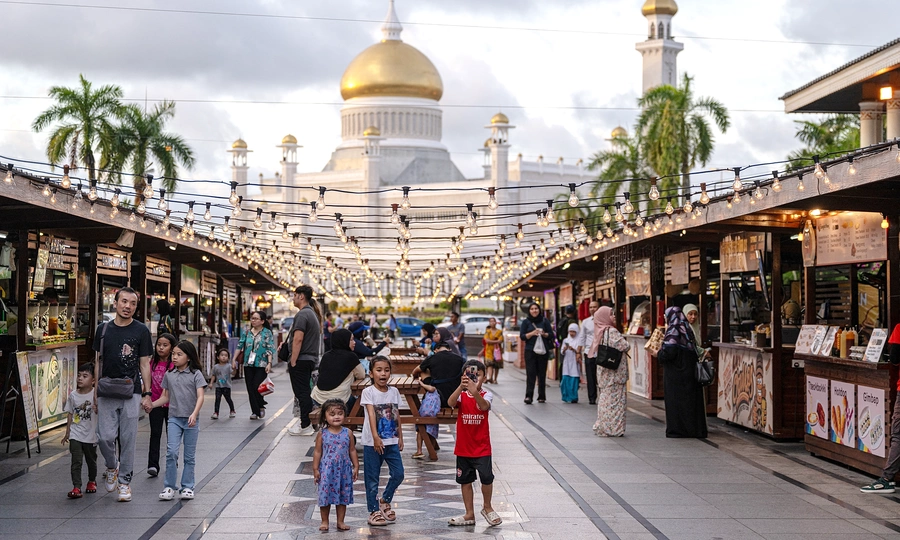
 Brunei is calling on stakeholders nationwide to take part in and help ensure the success of Visit Brunei Year 2027 as it expects to attract one million tourists.
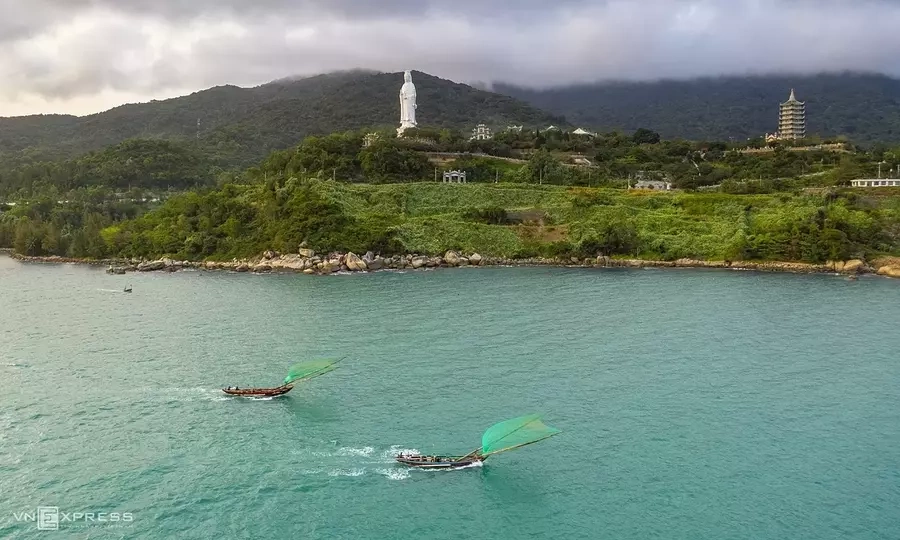
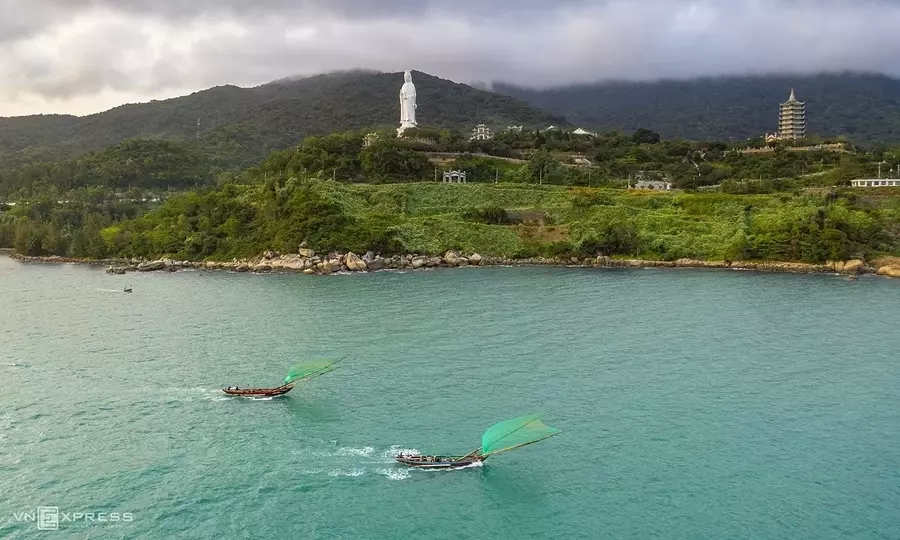 Sightseeing has been temporarily suspended on the Son Tra Peninsula in Da Nang until further notice due to forecasts of prolonged heavy rains and risks of landslides and flash floods.
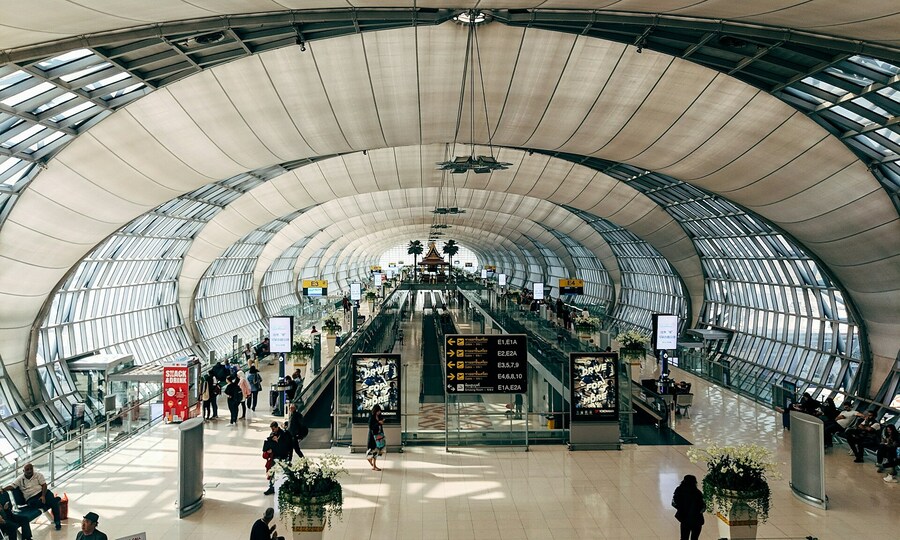
 Foreign tourists visiting Thailand could pay 2,570 baht (US$76.66) in travel charges if two proposed levies are approved.

 Hong Kong, the world’s second most visited city after Bangkok, welcomed about 1.6 million visitors during China’s Golden Week holiday from Oct. 1 to 7, including more than 1.4 million from the Chinese mainland, exceeding last year’s total.

 Flight bookings to Hanoi and Ho Chi Minh city on days featuring major concerts in October, most notably BIGBANG, spiked by up to 70% from the same period a year ago, according to Trip.com.

 Airport lounges in Hong Kong and Tokyo have taken the top two spots in Condé Nast Traveller’s inaugural global lounge rankings, ahead of facilities in Paris, Istanbul, and London.
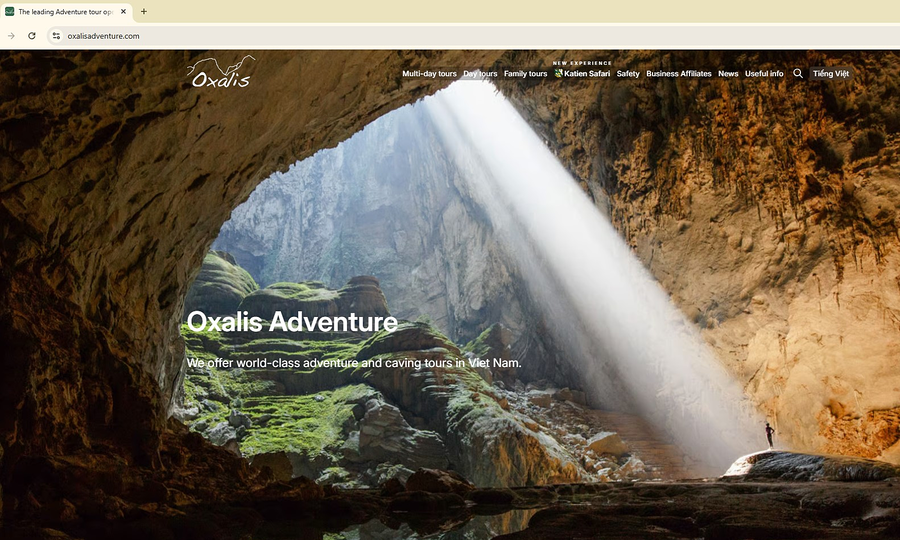
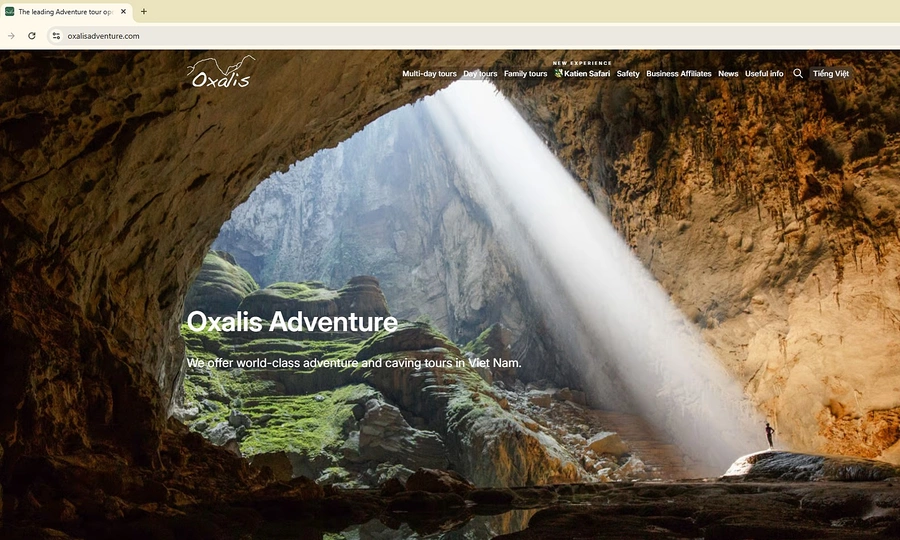 Oxalis Adventure, which runs expeditions to Son Doong, the world’s largest cave in central Vietnam, is warning customers about several fake websites with look-alike domain names selling cave tours and potentially costing travellers money.
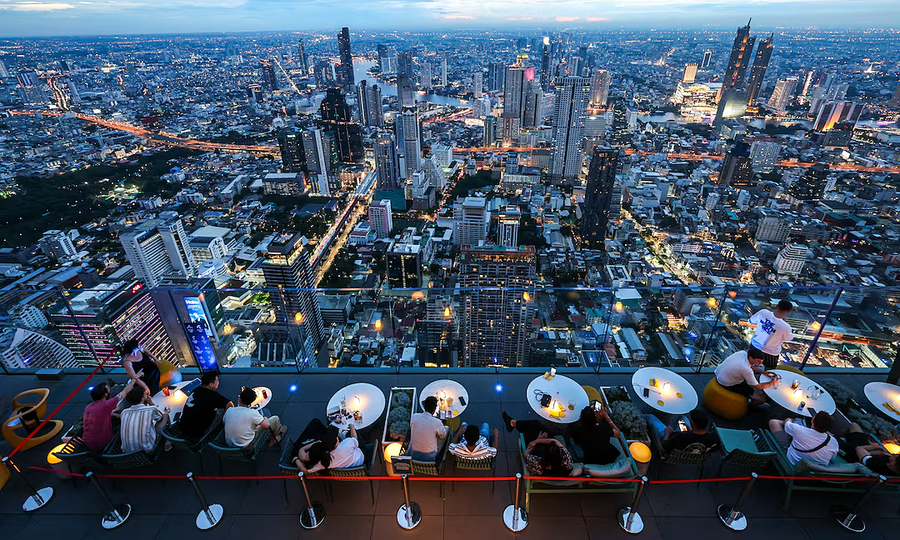
 Thailand’s capital Bangkok has been named the world’s best city in this year’s Readers’ Choice Awards by British travel magazine Condé Nast Traveller.