
Phu Quoc, voted Asia’s most beautiful island by readers of Condé Nast Traveler, recorded tourism revenue of VND31.5 trillion (US$1.2 billion) in the first six months of the year, up 46% year-on-year.
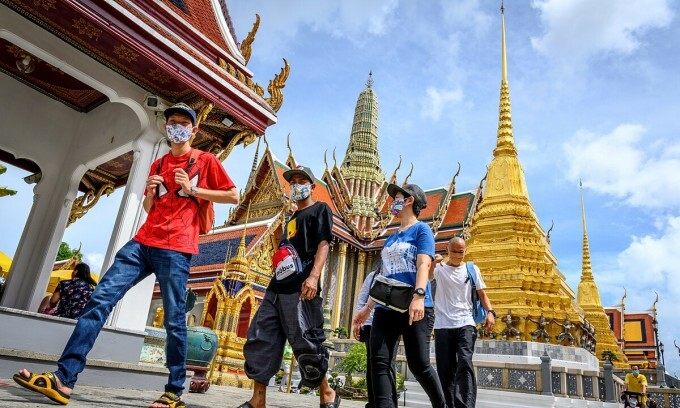
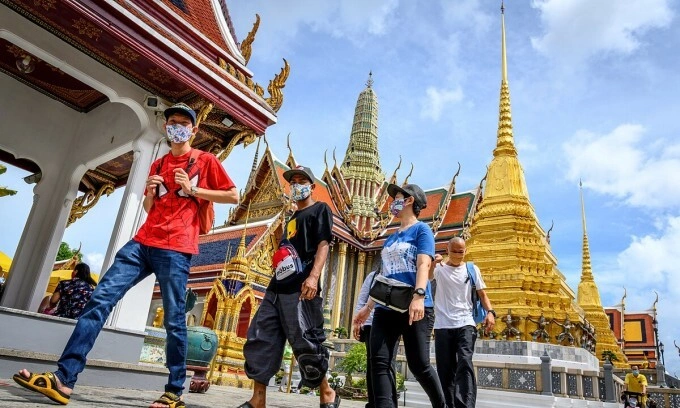
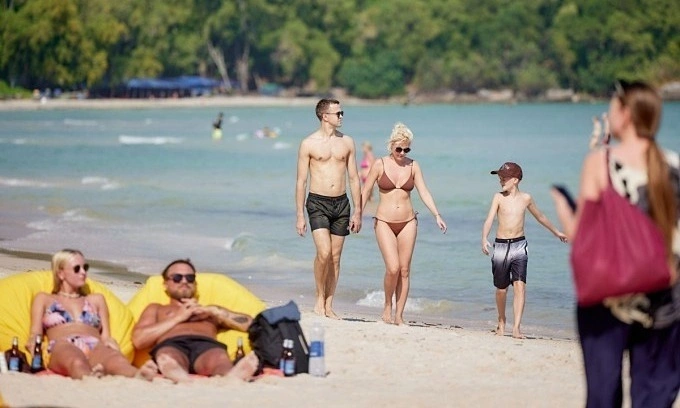
Thailand, Southeast Asia’s second-largest economy, welcomed 16.21 million foreign tourist arrivals between Jan. 1 and July 4, down 3.11% from a year earlier, with China, Malaysia and India leading the top source markets.
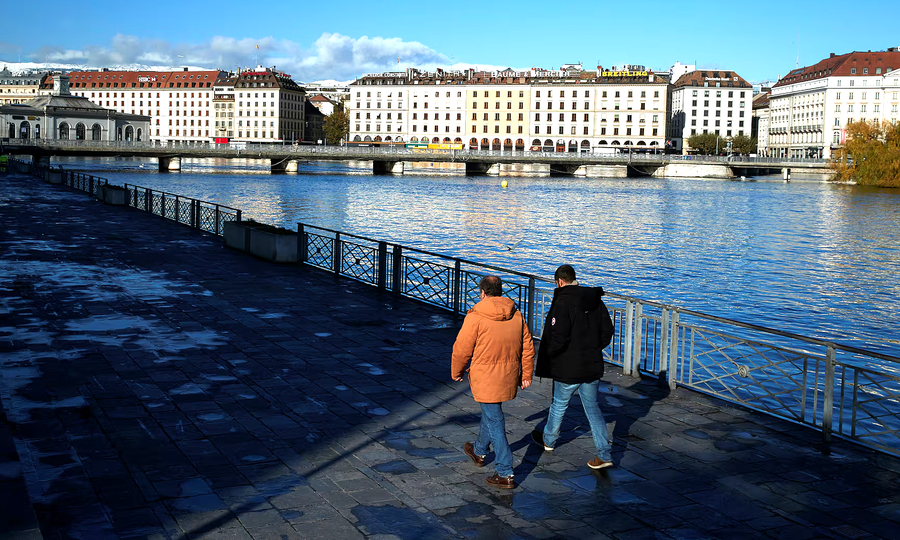
Switzerland, the world’s richest country by GDP per capita, has the second most powerful passport in the world after Sweden according to the 2026 Global Passport Index that ranks nations based on quality of life, mobility access and investment attractiveness.
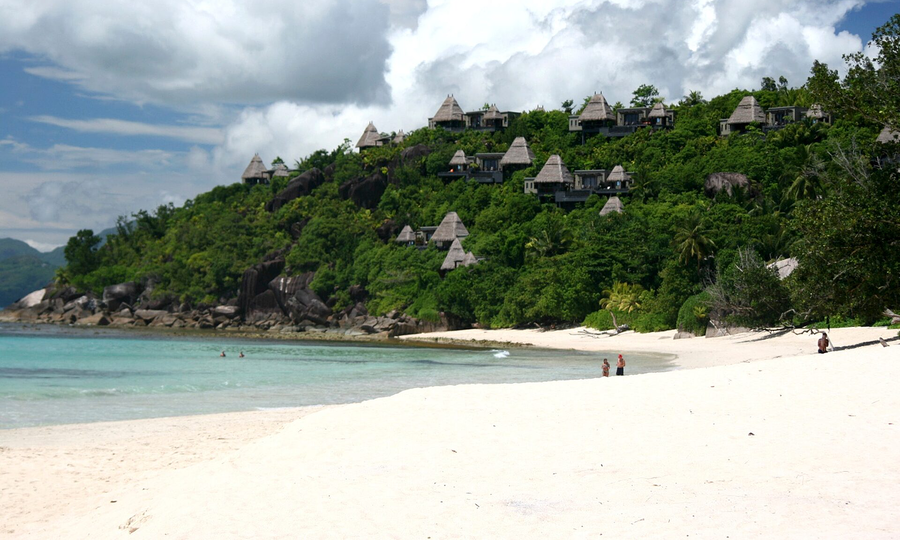
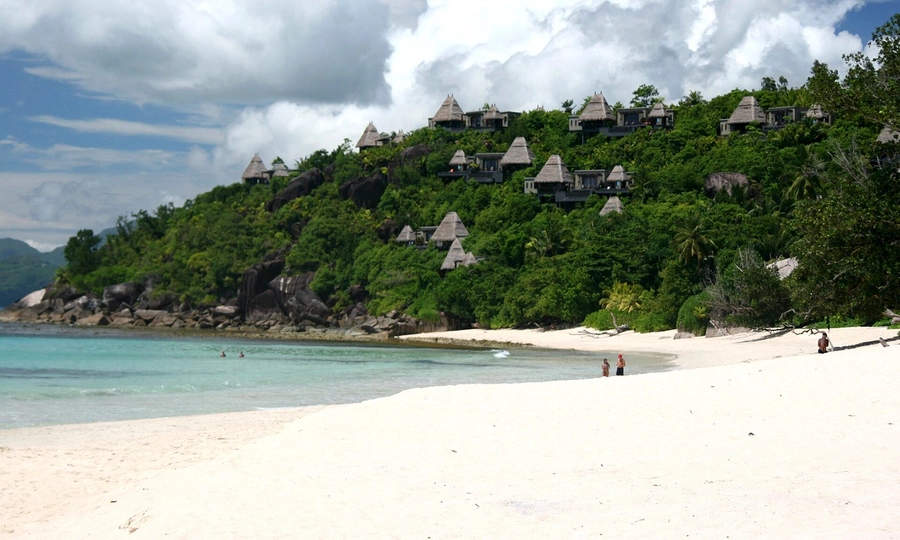
Seychelles, ranked as the richest country in Africa with a GDP per capita of US$42,110, welcomed 145,858 visitor arrivals in the first five months of this year, down 11.7% year-on-year, due to the Middle East conflict.
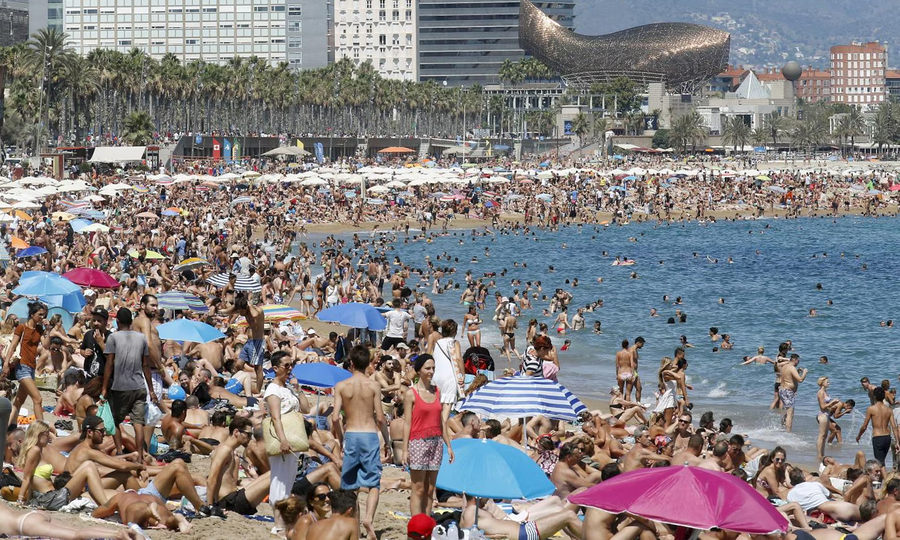
Spain, the world’s second-most-visited country after France, received 36.8 million foreign tourists in the first five months of the year, up 5% from a year earlier despite global uncertainty stemming from the Middle East conflict.
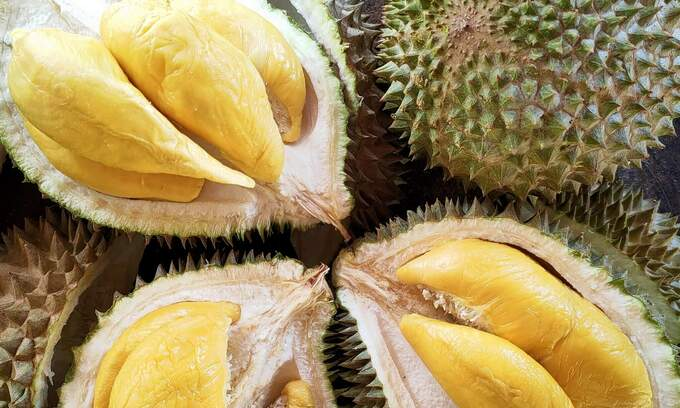
Malaysia launched Asia’s first durian experience center in Kuala Lumpur on July 7, aiming to strengthen the country’s position as a premier culinary and tourism destination.
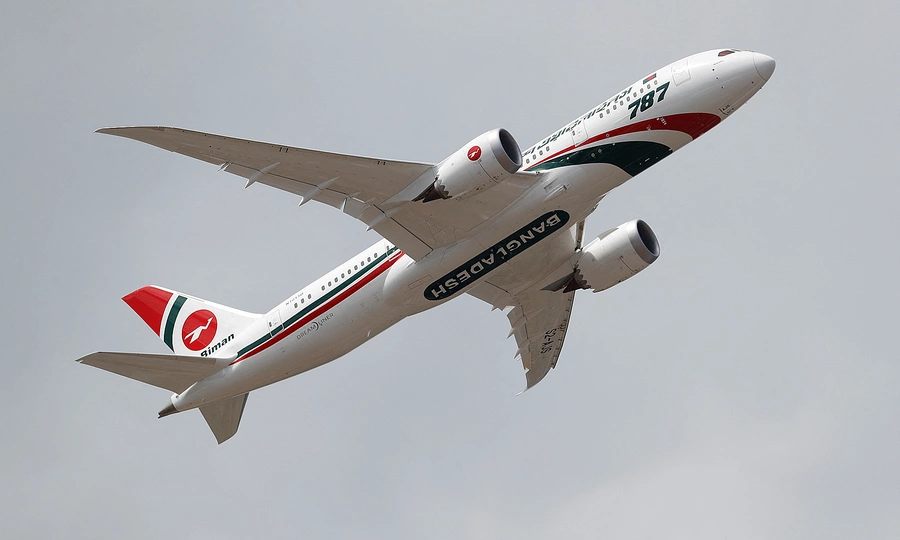
A total of 61 passengers who had checked in for a flight from Bangladesh to Malaysia eventually left the airport without boarding the plane, as authorities intensified inspection of travel documents.
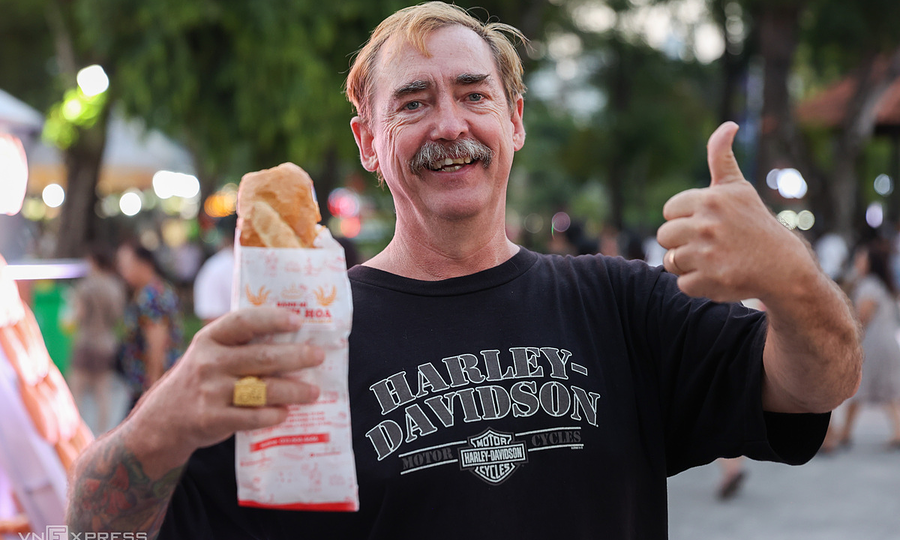
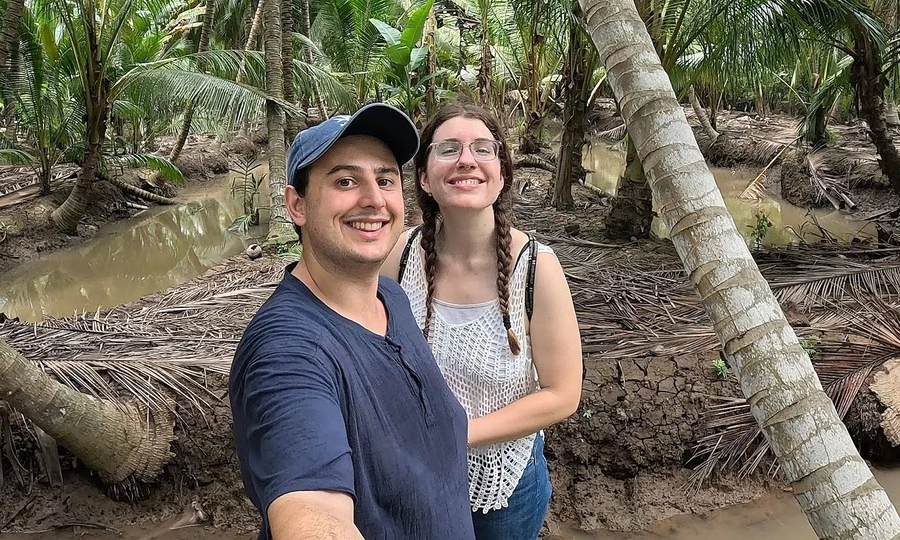
After starting as a place where they planned to stay for a year, Hanoi has become home for two expatriates, who have an online platform to guide international travelers.
Wynn Las Vegas, a luxury resort and casino on the Las Vegas Strip in the U.S., opened in 2005 after a US$2.7 billion development and remains one of the most expensive buildings ever constructed.